

Getting good grades, preparing your application essay, and finally securing admission to a study abroad program are already big achievements. However, for many international students, the journey doesn’t end there. The next important step is applying for your student visa.
Not every student will need a visa for example, students from EU countries studying within Europe may not require one. But if a visa is necessary for your destination, it’s very important to start the application process as early as possible.
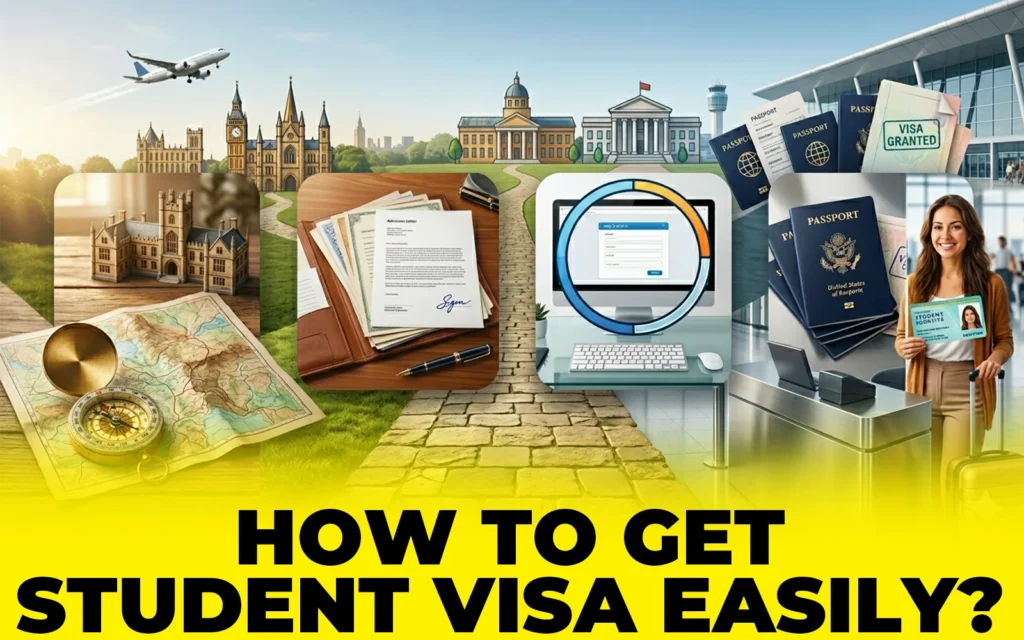
In this blog, you’ll find a simple overview of how to begin your student visa application, along with essential information about common requirements. Let’s begin,
Getting Started
When it comes to applying for a student visa, timing is extremely important. You should always begin the process well before your planned departure date. In some cases, visa processing can take several months, especially if there are delays or missing documents. That’s why it’s best to start your application as soon as you receive your acceptance letter from a study abroad program.
How to Begin Your Student Visa Application
To start your application, visit the official website of the embassy or consulate of the country where you plan to study. These websites usually provide complete details about the visa process, including application forms, required documents, and interview procedures.
If you’re unable to find the information you need, don’t hesitate to contact the embassy directly through phone, email, or by visiting in person.
You can also seek guidance from your chosen university. Most universities offer support services for international students and can help you understand the visa process. In some cases, universities may even assist with submitting your visa application. To explore this option, get in touch with the international admissions office and ask what kind of support they provide.
Filling in Your Application
To increase your chances of approval, it’s important to complete your visa application carefully and accurately. Make sure you follow all the specific requirements of the country you’re applying to.
If you notice any mistakes after submitting your application, correct them as soon as possible. Missing documents or incorrect information can lead to delays or even rejection.
After submitting your application, stay alert and responsive. Visa authorities may contact you for additional information, so regularly check your emails, phone messages, and mail. Also, be prepared to attend an interview if required, and keep your schedule flexible in the weeks following your application.
Meeting with the Embassy (Visa Interview Guide)
In many countries, attending a face-to-face interview at the embassy is an important part of the student visa process. This interview helps visa officers understand your intentions and confirm that all the information you provided in your application is genuine.
The main purpose of the interview is to check:
- Whether you are serious about your studies
- Whether your documents are authentic
- Whether you plan to follow visa rules
To attend this interview, you’ll need to bring several important documents.
Important Documents You Must Carry
1. Proof of Financial Support
You must clearly show that you can afford your entire stay abroad, including:
- Tuition fees
- Accommodation
- Daily living expenses
This proof can include bank statements, scholarship letters, student loans, or financial support from family. The required amount depends on the country you are applying to.
2. Proof of Admission
You need to provide an official acceptance letter from a recognized university or institution. This confirms that you are genuinely enrolled in a study program.
3. Valid Passport
Your passport is one of the most important documents. It should usually be valid for at least six months beyond your study period. Always keep it safe and updated.
4. Additional Supporting Documents
Depending on the country, you may also need:
- Medical fitness certificate
- English language test results (IELTS/TOEFL)
- Proof that you will return to your home country after completing your studies
Other Important Factors to Consider
Length of Your Study Program
The duration of your course plays a major role in your visa type.
- Courses under 6 months → Short-term visa
- Long-term degree programs → Student visa
For very short courses, you may only need a tourist visa or no visa at all, depending on the country.
Visa Validity and Extension Planning
It’s important to think ahead. If you want to stay longer after your studies for travel or work you may need to apply for a visa extension.
Important Warning:
Overstaying your visa can lead to fines, penalties, or even future visa bans.
Student Visa Fees
Most countries charge a visa application fee. Typically, this ranges between $100 to $400, depending on the country.
In some special cases, fees may be reduced or waived based on your nationality or scholarship status.
What You Should Do to Get Your Student Visa Easily
✔ Apply as Early as Possible
Starting early gives you enough time to prepare documents and handle any delays.
✔ Be Honest and Clear
Always provide truthful information in your application and interview. Honesty builds trust with visa officers.
✔ Keep Your Documents Strong and Organized
Make sure all documents are complete, updated, and properly arranged.
✔ Prepare for the Interview
Practice common questions and answer confidently. Stay calm and speak clearly.
✔ Show Strong Ties to Your Home Country
Explain your future plans and show that you intend to return after completing your studies.
What to Avoid to Prevent Student Visa Rejection
✘ Do Not Submit Fake Documents
Providing false information or fake financial proof can lead to immediate rejection and even future bans.
✘ Avoid Incomplete Applications
Missing documents are one of the most common reasons for visa refusal.
✘ Don’t Give Confusing Answers in Interview
Unclear or inconsistent answers can create doubt about your intentions.
✘ Avoid Last-Minute Applications
Late applications increase stress and reduce your chances of fixing mistakes.
✘ Don’t Ignore Embassy Instructions
Always follow official guidelines carefully. Ignoring them can delay or reject your application.
Final Thoughts
Getting a student visa is not about luck it’s about preparation, honesty, and attention to detail. If you stay organized, apply early, and avoid common mistakes, your chances of approval become much higher. Stay confident, follow the right steps, and you’ll be ready to start your study abroad journey successfully.
Why Study Abroad Updates
We are your one-stop website for everything related to studying abroad. Our website is made to give you all the information you need to have a fun and easy path toward studying abroad. We can assist you whether you’re seeking for the best places to study, the newest scholarships, or university rankings. Get in touch with us for individualized advice, or view our videos to learn more about the university of your dreams. Our Study Abroad Genie is available around the clock to help you at every stage. Take the first step toward reaching your objectives by starting your study abroad journey with us right now. Get the most recent opportunities, professional advice, book a free session and chat with us at every time in just one click.